
From entrepreneurs and educators to coaches, creatives and changemakers, our speakers will take you on a journey through ideas that challenge convention, celebrate resilience and inspire positive action.
Each talk has been independently developed with the support of our speaker coaching team to deliver the authentic, thought-provoking experience that TEDx is known for around the world.
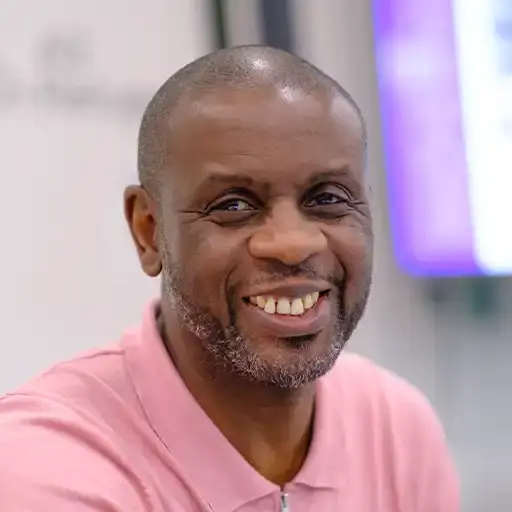
Akin Thomas is the creator of the Disruptive Learning model and Founder & CEO of AKD Solutions, where for over 20 years he’s helped leaders and organisations challenge assumptions and unlock new ways of thinking. He believes meaningful innovation never comes from comfort or convention — only from disrupting the present can we create a different future.
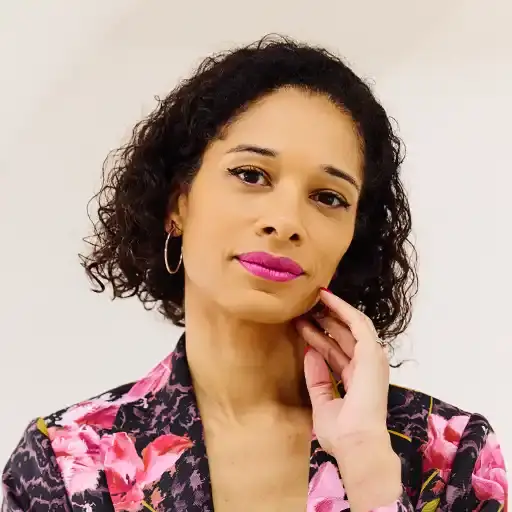
Cath is an executive coach, facilitator and speaker specialising in the intersection of safety, identity and leadership. Through trauma‑informed practice, she supports Black and Brown leaders to achieve success without compromising their wellbeing, and partners with White leaders committed to becoming truly inclusive. Her work blends nervous system regulation, mindset strategies and deep expertise in anti‑racism and racialised trauma, all centred on the belief that inclusive leadership begins with who we choose to become.

Emma Dowley is the founder of UnGraduates – a social enterprise supporting students who drop out of university in the UK. Inspired by her own experience navigating this process alone, she is motivated by the tens of thousands of students who withdraw from university each year. Emma is passionate about ensuring every student receives the support they need and challenging the stigma around dropping out.
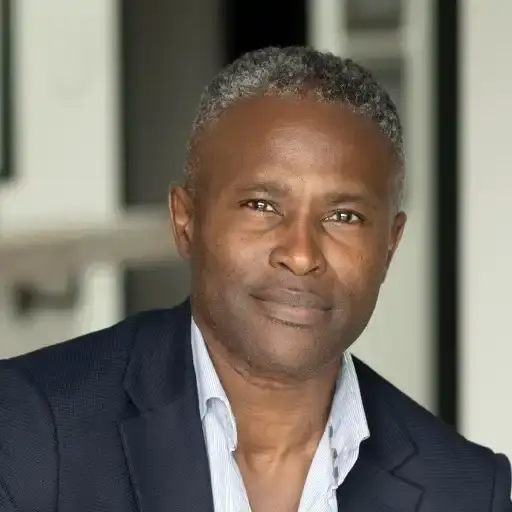
Henry Annafi has spent 30 years pioneering systemic change, creating the H.E.N.R.I. framework and leading initiatives that have brought marginalised people back into education and employment — work that earned him the 2026 DEI Leader of the Year title. A published author and award-winning speaker, he’s driven by a mission to build inclusive, future-proof ventures that create lasting social value for communities across Africa, the UK, and beyond.
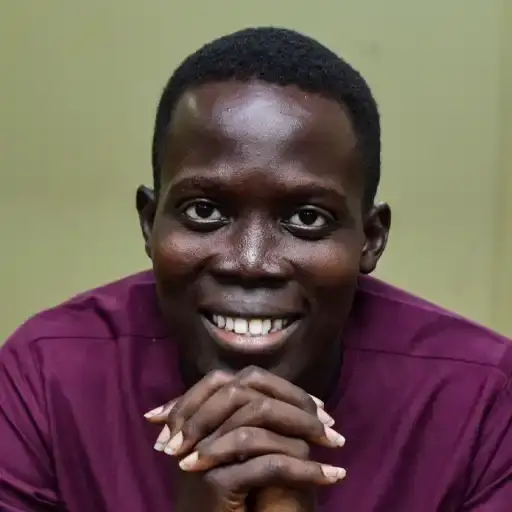
Isiorono Igho-Orienru is a public health professional, communications specialist, and sickle cell advocate based in London. He is the founder of the Sickle Cell Shine Initiative (SCSI), an organisation dedicated to public health education, community advocacy, and lived experience-centred research around sickle cell disorder.
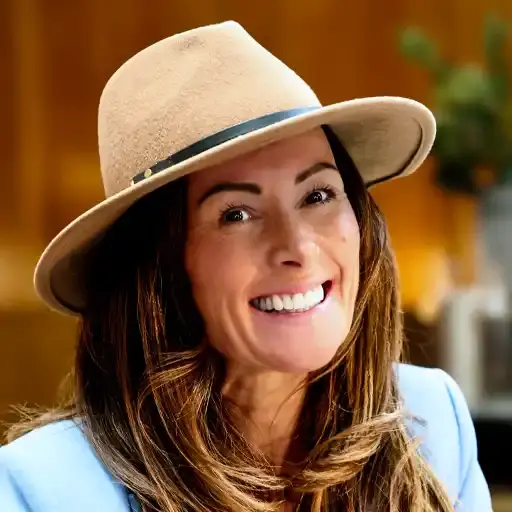
Jane Knight has spent over a decade helping more than 12,000 women returners rebuild their confidence and rebuild meaningful careers, drawing on her own experience of returning to work as a mother. An award-winning entrepreneur and careers expert, she’s driven by a mission to get employers to recognise the transferable skills parenting builds — and to make sure mums everywhere know their workplace value.

Joe Barnes is author of the books “The Rebel Code” and “Escape The System” which, combined, have sold over 10,000 copies. His writing helps all free thinkers, non-conformists and rebels break free from conventional ways of working and living to find their place in the world. He’s also worked as a hypnotherapist for over 20 years and is fascinated by the power of the mind. Outside of work, he’s a keen tennis player who got into the world top 100 in the over 40 age category.
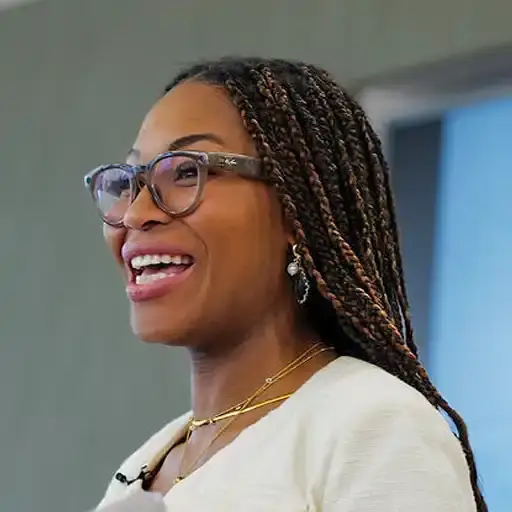
Rachael Twumasi‑Corson is an entrepreneur, strategist and storyteller, founder of Ayaa Botanicals and creator of The Work‑Life Harmony Method. She launched her first company at 18 and has since led organisations, advised leaders and spoken globally on sustainable success. Her writing appears in Business Insider, Healthline, HuffPost and bestselling books, and she also writes speculative fiction. Rachael co‑hosts the MumDem Podcast and publishes The Work‑Life Harmony newsletter for over 25,000 readers. She lives in London with her husband and four children, continually exploring how to build a life that balances ambition, relationships, creativity and joy.
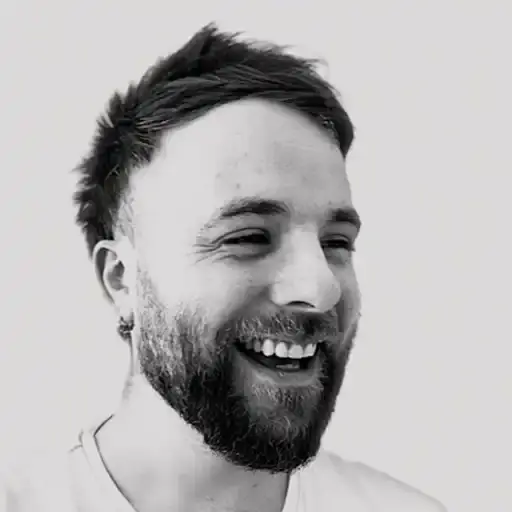

Sophia Kalpaka believes building psychologically safe workplaces means having the conversations most organisations avoid — about mental health, bias, power, and the silences that allow harm to grow. Speaking from both professional expertise and lived experience of harassment, she’s driven by a conviction that shifting the burden of safety away from women and onto society is how we begin to address violence against women and girls at its root.